
Every year, graphic design naturally evolves as creatives respond to new technology, shifting audience behavior, and changing market demands. As a result, 2026 graphic design trends feel like a real turning point, where human creativity now blends with AI tools, interactive media, and immersive digital experiences.
Today, designers are mixing AI-powered workflows with human-centered aesthetics to create visuals that actually stand out in an oversaturated digital world. That’s why understanding these trends isn’t just about staying current but also relevant. So, let’s explore the key trends that will shape design in 2026!
Key Takeaways
To help you stay on top of your game in the world of design, we’ve rounded up the 2026 graphic design trends examples that are set to shape how visuals communicate and connect with audiences. Follow along!
AI has become a true creative partner in helping designers generate concepts, test variations, and speed up workflows. Human guidance ensures results remain original and expressive, as hybrid processes blend efficiency with strategic choices.
This technology boosts efficiency and preserves authenticity to allow for rapid iterations and quick exploration. AI drafts layouts and suggests colors for designers, who then refine these outputs to push creative boundaries.
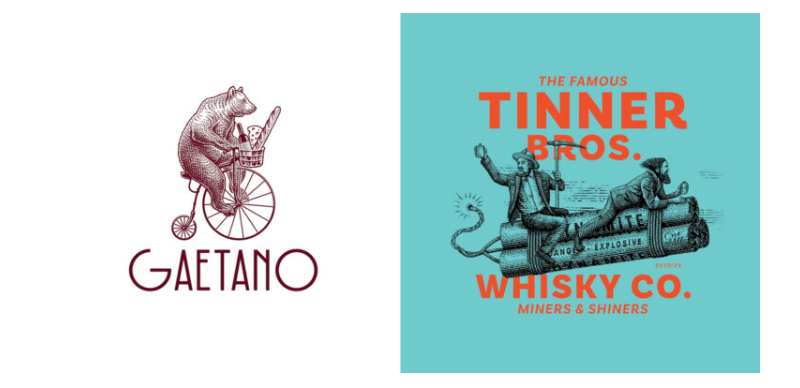
Visual identities are becoming adaptive systems that shift with context, audience, or device. Logos, colors, and graphics respond dynamically and add liveliness. This keeps brands relevant across digital touchpoints. Personalization ensures design stays fresh and engaging.
For today’s audiences, tailored experiences are a baseline expectation, making static branding feel outdated. Dynamic visuals build stronger emotional connections and convey authenticity. Typography and graphics can subtly adjust by platform to help brands stay noticeable and responsive.
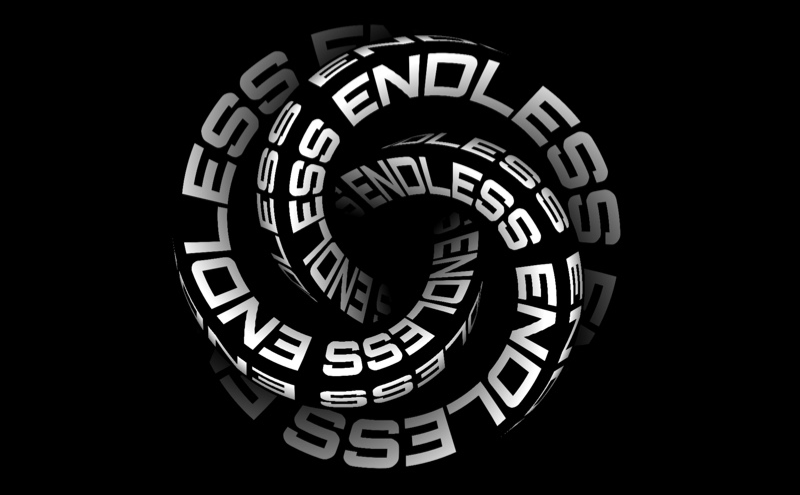
Typography is taking center stage in 2026 graphic design trends with oversized letters, layered text, and unusual spacing. Words act as visual anchors, grabbing attention and conveying personality before images appear. Designers experiment freely, turning type into a primary storytelling element and a compelling visual component.
With visual overload, type becomes the first point of engagement. Expressive fonts strengthen brand voice and create memorable campaigns. Type can serve as an illustration or a pattern and interact with photos, while movement, layering, and warping make words dynamic and full of personality.
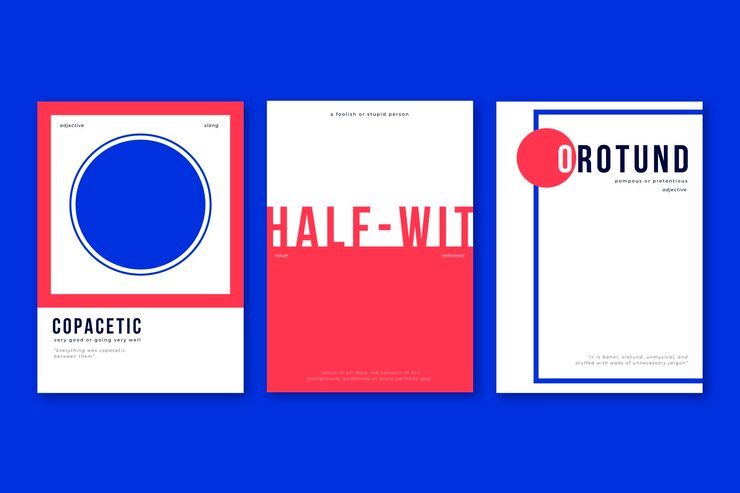
Neo-minimalism refreshes traditional minimalism with warmth, subtle textures, and gentle colors. Designs stay clear and simple but feel approachable and human. Whitespace guides attention without coldness, and it blends elegance with emotional resonance. This style balances clarity with personality.
Modern audiences crave simplicity that still conveys character, so neo-minimalism avoids sterile visuals. This approach builds trust and engagement through soft gradients and nuanced types. Small textures and careful typography make layouts feel sophisticated, inviting, and alive.
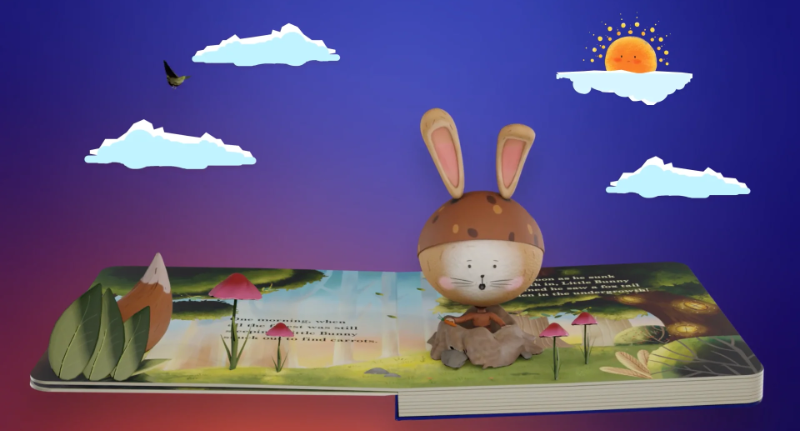
Three-dimensional graphics and realistic depth are shaping visual experiences, a key aspect of 2026 graphic design trends. Shadows, layers, and textures create immersive, tactile visuals that make digital elements feel tangible and premium. This approach naturally draws attention and encourages interaction.
Audiences now crave dynamic, engaging visuals, as flat design loses impact. 3D elements enhance emotional resonance, interactivity, and brand perception. For example, try to make typography float or weave through 3D objects, so it merges text with imagery. This creates experiential, memorable designs across platforms.
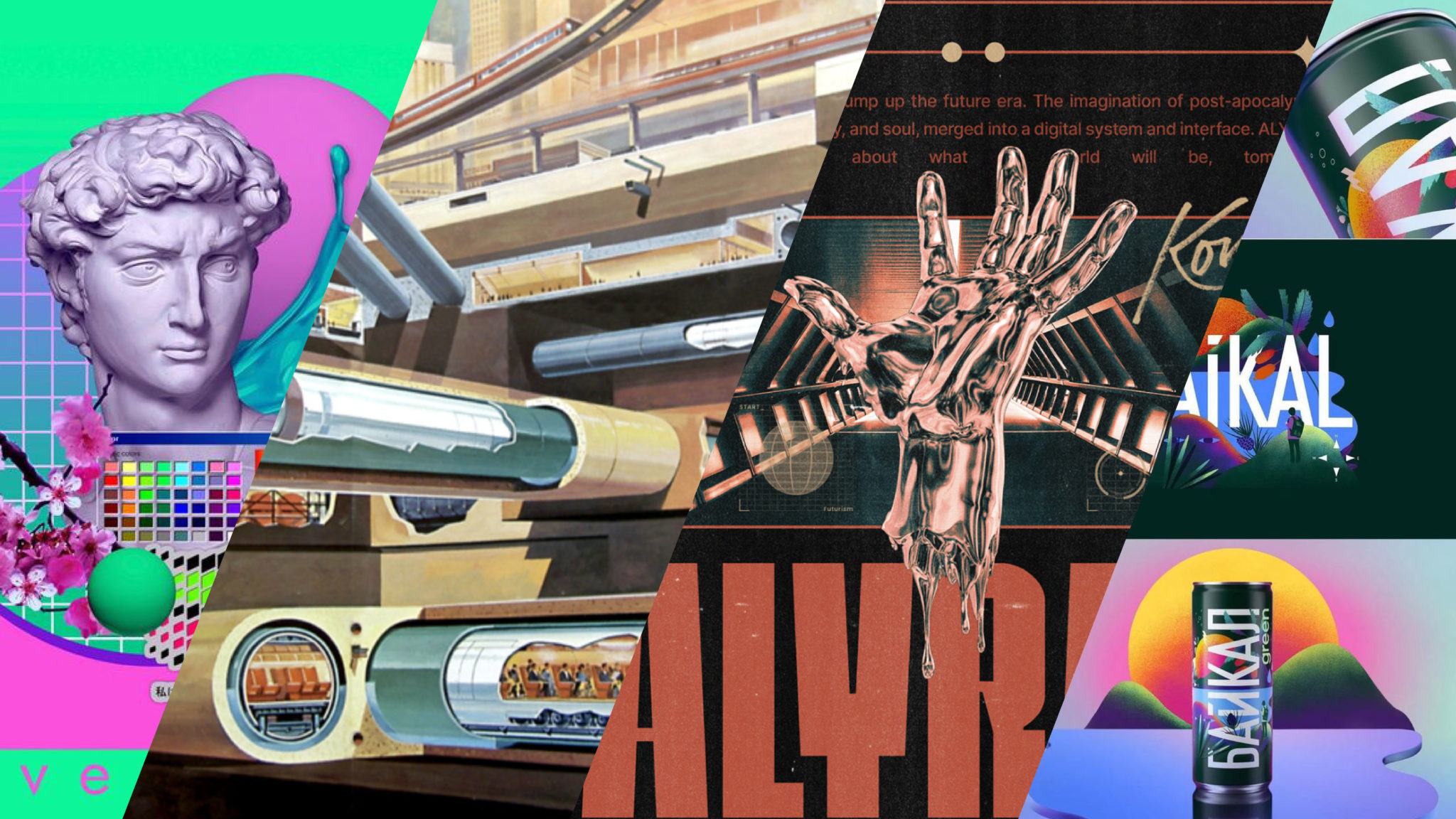
Retro-futurism merges nostalgic styles with futuristic aesthetics, creating visuals that feel both familiar and forward-looking. Designers mix neon colors and Y2K references with modern techniques to evoke optimism and keep every design fresh.
As audiences respond to nostalgia for comfort and innovation, these visuals balance emotion with high-energy appeal. For example, designers can use a metallic or neon type as a bridge between eras, which gives text a personality that reinforces the concept.
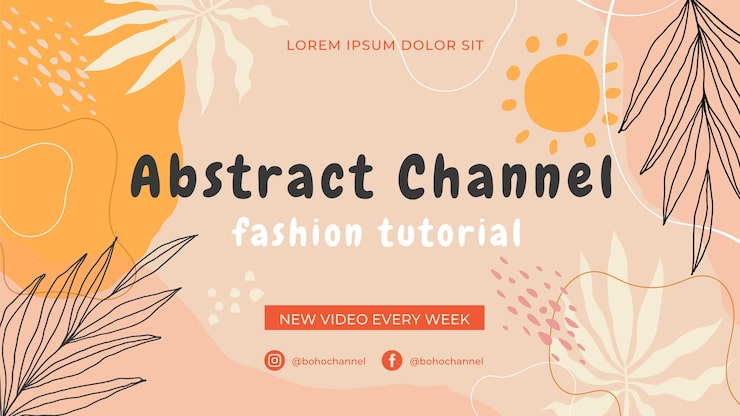
According to Stills, organic design in 2026 rejects perfection for personality. It uses natural shapes, hand-drawn elements, and tactile imagery to create warmth and authenticity, a human-centered approach that can build emotional connection. To apply this, designers can pair custom scripts with irregular fonts and textures for cohesive visual stories.
Handcrafted details can also help brands communicate authenticity even without polished visuals. This organic design strengthens identity and engages with audiences. It reflects insights from the 2026 graphic design trends report. The result is a genuine, approachable, and memorable aesthetic.
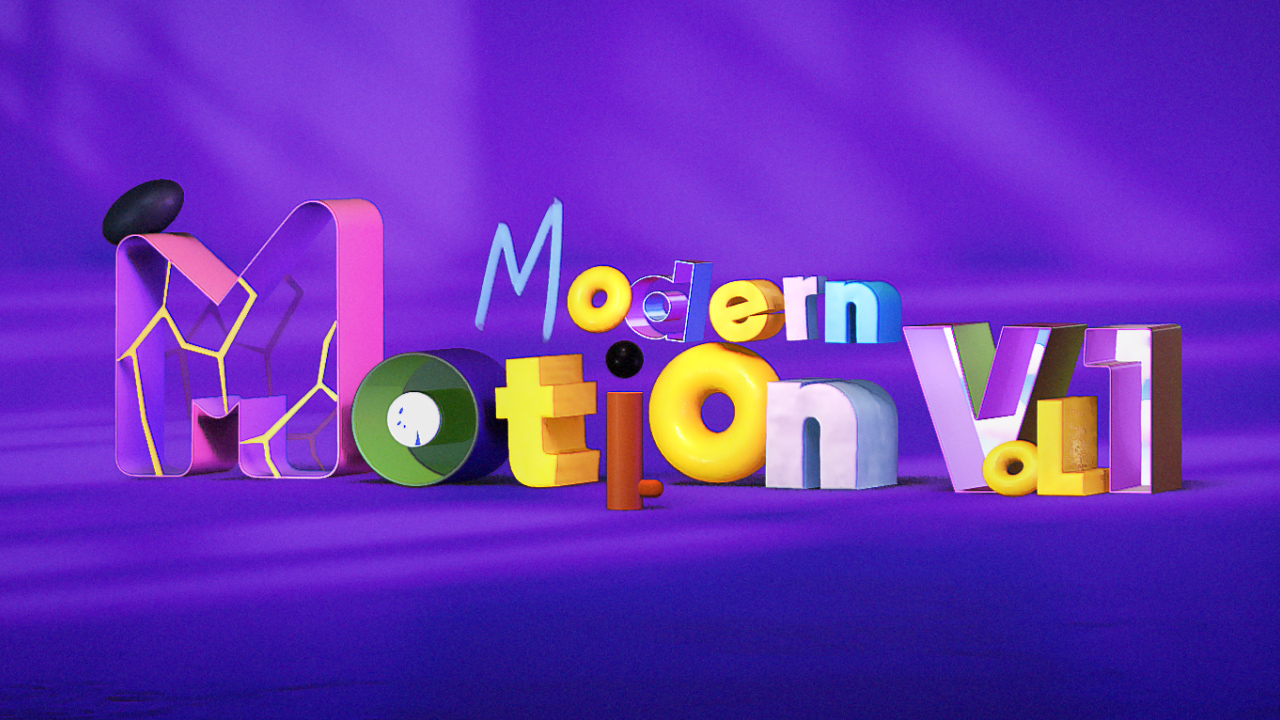
Motion-first design prioritizes animation and interactivity over static visuals to bring websites and campaigns to life. Elements such as kinetic typography and dynamic icons help communicate hierarchy, guide attention, and reinforce brand personality.
In a digital-first world, animation keeps audiences engaged and enables designers to convey complex information more efficiently. Letters move and transform in response to user actions, which creates experiences where text feels truly alive.
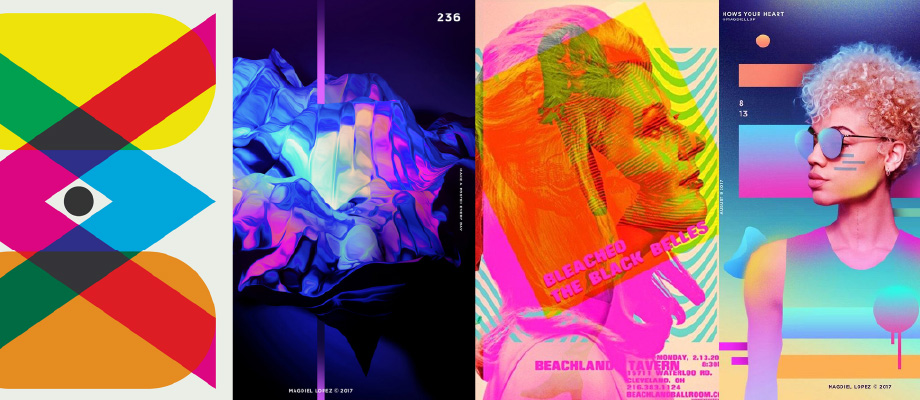
Bold, high-contrast palettes lead graphic design color trends in 2026 by featuring neon combinations and dramatic gradients. They capture attention, guide the eye, and convey energy and modernity. This approach makes compositions instantly striking and memorable, while high contrast ensures visuals stand out in crowded feeds.
As audiences face content overload, vivid colors cut through the noise. Designers can pair strong hues with bold or minimal typography for clarity. This strategic type of placement keeps messaging readable in vibrant layouts. This trend creates high-impact, attention-grabbing designs across digital platforms.
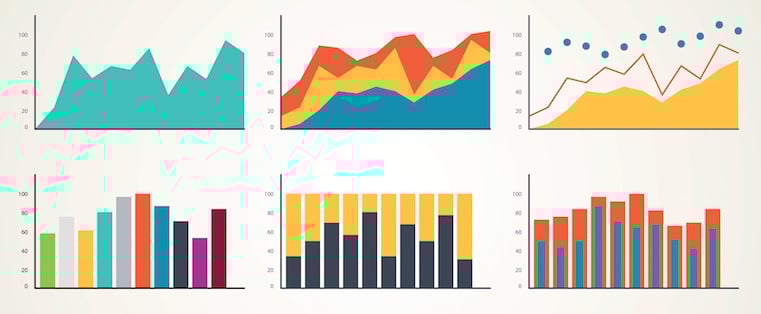
Designers are transforming raw data into narrative visuals that are engaging and easy to interpret. Charts, infographics, and animated diagrams communicate insights visually rather than just numerically. This approach turns information into compelling stories.
The trend is growing as brands produce more data than ever, and audiences need clarity to make sense of it. Well-designed data visuals increase comprehension, trust, and retention, and they make complex information actionable and accessible.
Typography plays a functional role here, often in grids or layered over charts. Therefore, designers need to select fonts that maintain hierarchy, legibility, and clarity to turn numbers into a narrative that feels structured and professional.
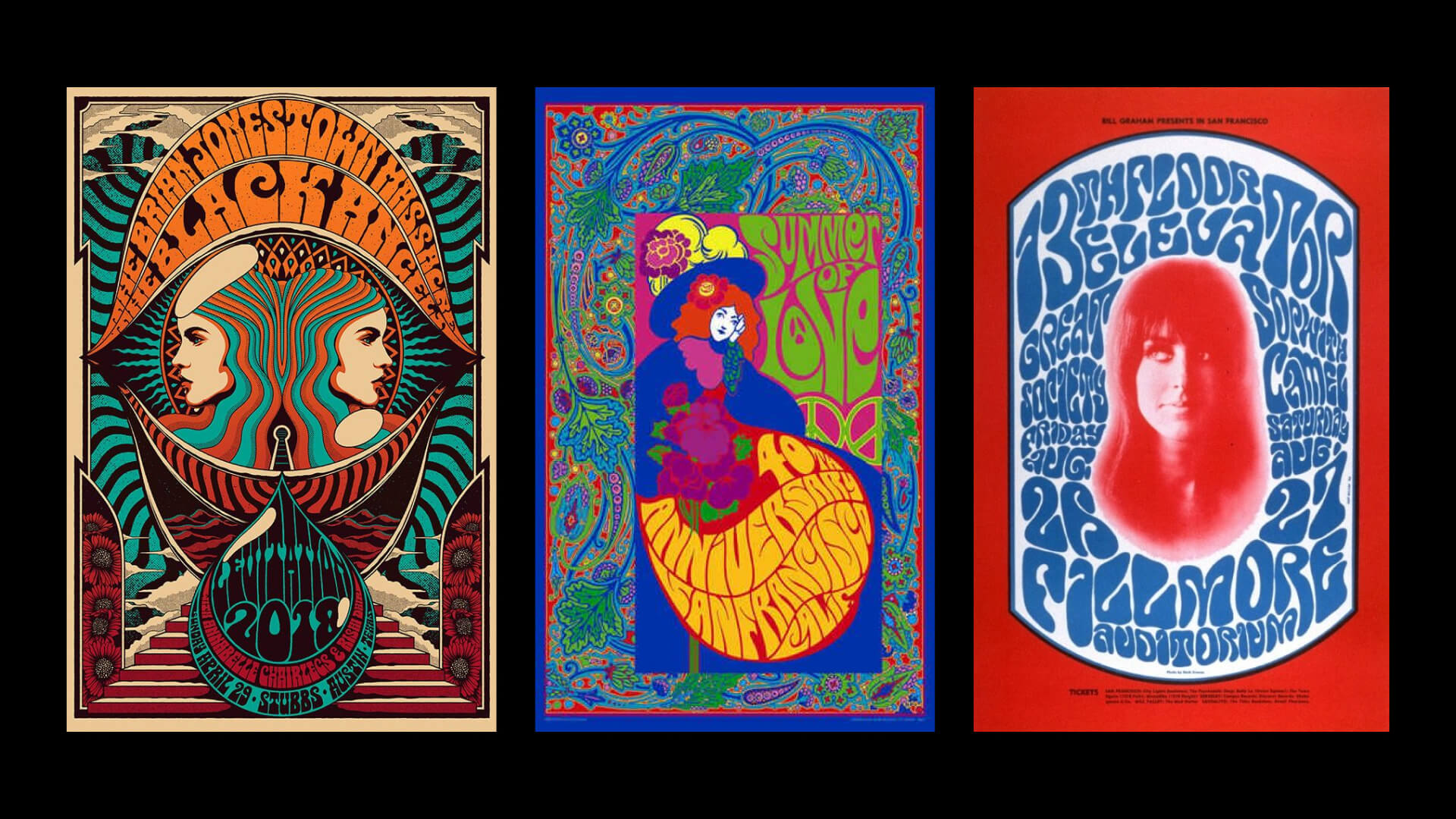
Maximalism, one of the 2026 graphic design trends, celebrates layering, bold patterns, and abundant textures to create energetic layouts that combine color and imagery. This approach communicates personality and emotion through controlled chaos and delivers creativity in a visually dense way.
After years of minimalism, audiences are now drawn to these expressive visuals for their high energy. Designers can mix font weights and sizes to integrate with images, which amplifies visual richness without losing any readability.
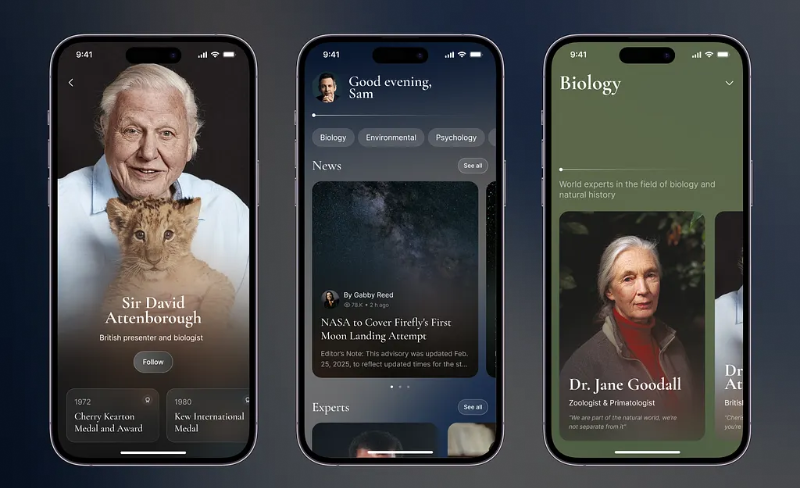
Glassmorphism continues to evolve, as it uses blurred backgrounds and frosted-glass effects to create a sense of vertical hierarchy. These translucent layers add a sophisticated, multi-dimensional feel to digital interfaces and social graphics. This creates a clear separation between content and background.
This trend thrives because it makes digital spaces feel airy and modern. When designers use soft glows and vibrant background colors seen through glass‑like surfaces, they create a premium, high‑tech feel. It guides the user’s eye toward specific call-to-actions and maintains a clean aesthetic.
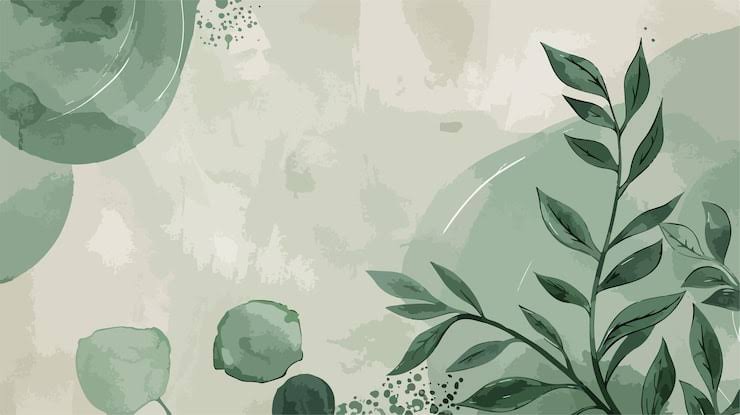
Sustainability is quietly reshaping how designers think about color, texture, and materials. Earthy tones, natural patterns, and imagery that nod to the environment help brands express a sense of care for the planet. This trend blends ethical storytelling with aesthetic appeal, as it engages conscious audiences.
Consumers expect brands to embrace sustainability, which signals trust and authenticity. Typefaces with organic curves or hand-crafted qualities enhance this effect. Paired with natural textures and imagery, typography reinforces eco-conscious values. The result is a cohesive, responsible, and visually appealing design language.
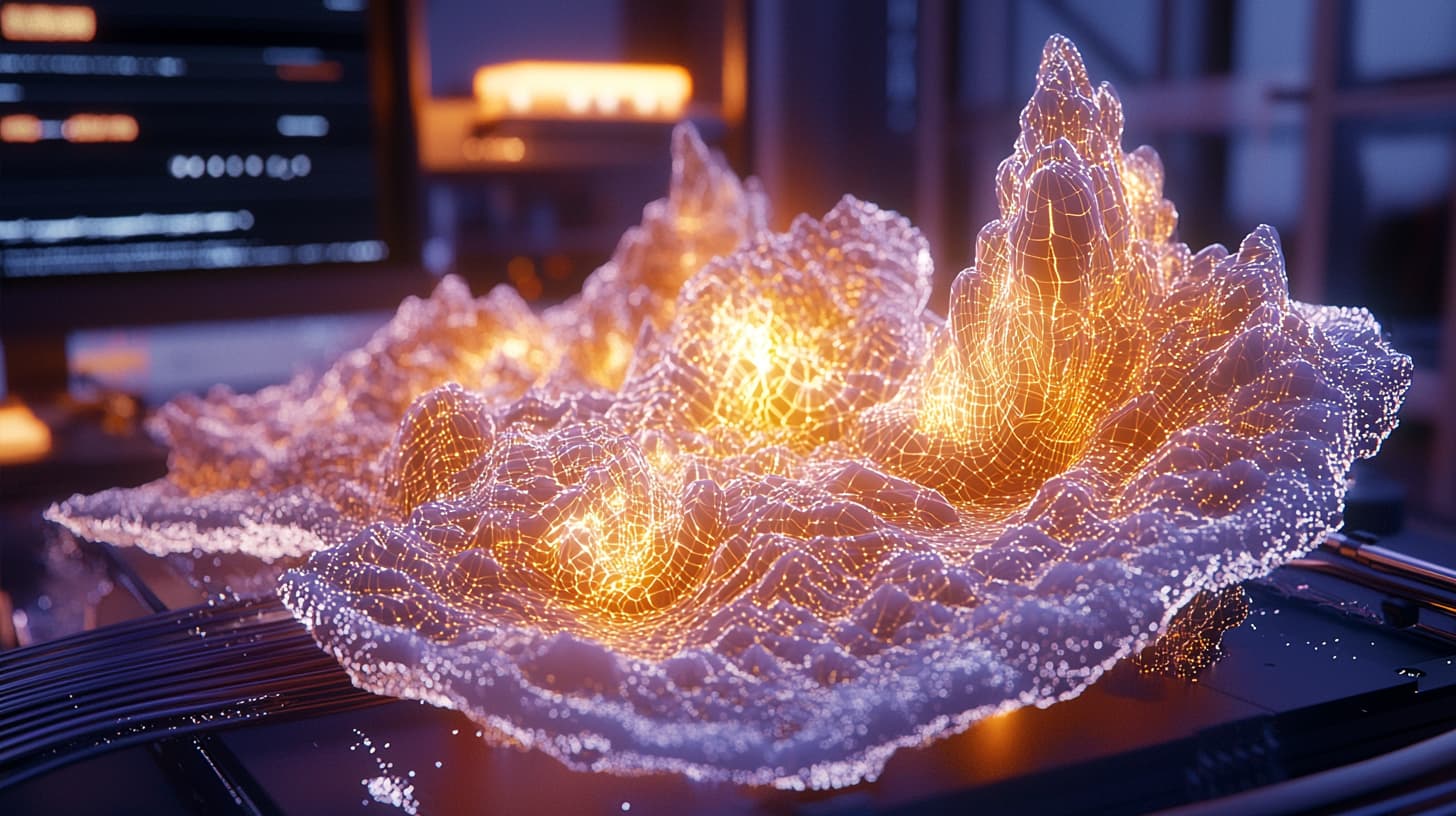
AI now generates custom textures, abstract backgrounds, and unique digital patterns that reflect 2026 graphic design trends. Designers can now explore variations quickly, creating visuals with depth and novelty, enhancing creative possibilities beyond manual methods.
Brands are turning to AI‑generated assets to stand out online and explore colors, patterns, and materials on a much larger scale. Type starts to blend with texture, as clean, minimal fonts sit over rich surfaces or weave into intricate patterns. Rather than keeping text separate, designers treat typography as part of the texture itself to produce dynamic, layered visuals.
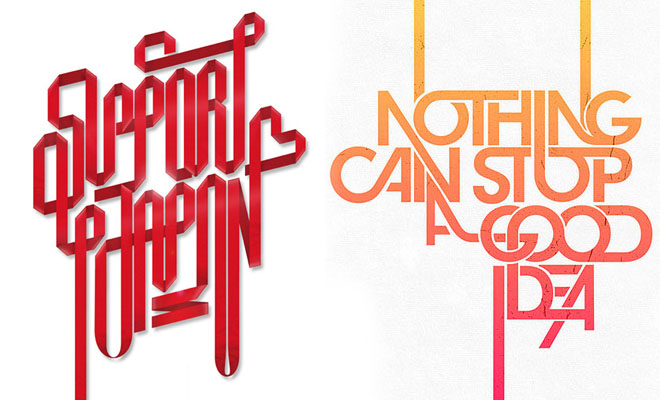
Typography has become central to brand identity, as it conveys tone and personality. Type is a core asset, and it guides communication across channels. Strong letterforms create immediate impact, and they make visuals expressive and recognizable.
Audiences respond to typographic cues more efficiently than images alone. This way, designers can use custom, variable, or animated fonts to add meaning and personality either for logos, packaging, interfaces, or campaigns.
To wrap up the discussion on graphic design trends 2026, it’s clear that font choice remains important in shaping a strong visual identity. As trends evolve, font usage helps establish hierarchy, convey personality, and professionalism. Thus, designers should use typography strategically to ensure each element aligns with the latest design trend.
Moreover, using the right fonts not only enhances creativity but also improves functionality in your designs. That’s why exploring the timeless font collection at SIXTYPE can truly elevate your work. With versatile, modern fonts, you can strengthen your visual identity to fully leverage the graphic design trends. Try them now!