What Is the Primary Goal of Branding in Graphic Design?
Some brands are instantly recognizable the moment you see their colors, logo, or typography, while others fade from memory just as quickly. That contrast raises an important question: what is the primary goal of branding in graphic design? To answer, keep reading to see how design turns a ‘meh’ brand into a ‘must-have’ experience.
Key Takeaways
- The primary goal of branding in graphic design is to shape perception through a clear and consistent visual identity.
- Strong visual systems build differentiation, trust, and long-term brand recognition.
- Strategic use of color, typography, logos, and layout strengthens emotional connection and brand loyalty.
A Glimpse of Branding in Graphic Design
Before jumping into what is the primary goal of branding in graphic design, it is important to understand that branding is the strategic process of shaping perception. While marketing aims to sell, branding aims to define by creating an identity, a voice, and a sense of emotional meaning.
This process operates on a psychological level, influencing how an audience feels before they ever engage with a product. These subconscious impressions, whether of luxury, trust, or innovation, form in an instant. Strong branding ensures that these gut feelings match the company’s intended reality.
Ultimately, graphic design is making every strategy visible. By translating brand values into a coherent system of color, type, and imagery, it sends an immediate signal of professionalism.
What Is the Primary Goal of Branding in Graphic Design?
To truly understand the primary goal of branding in graphic design, we must look at its deeper strategic intent. This foundation is built upon the 4 pillars of branding in graphic design, which guide every visual decision a designer makes. Here are the details!
1. Creating Strong Brand Differentiation
In saturated markets, visual similarity makes brands interchangeable. Strong branding builds uniqueness through distinctive typography, proprietary colors, and consistent visual language. Clear differentiation reduces confusion. When done well, audiences recognize a brand instantly without reading its name.
2. Building Perception and Trust
Studies found that design typically shapes first impressions within 5 seconds. Clean layouts, professional typography, and consistency signal credibility and reliability. Meanwhile, poor or inconsistent design creates doubt, even when product quality is high.
3. Strengthening Audience Memory
Recognition builds familiarity, and familiarity drives preference. Consistent visual elements strengthen memory associations over time. Colors, shapes, and typography become brand triggers. Stable visual systems across platforms improve recall and long-term recognition.
4. Establishing Long-Term Emotional Connection
Beyond logic, people connect with brands that reflect their values and identity. Strategic branding evokes feelings such as confidence, excitement, nostalgia, or aspiration. When audiences emotionally attach to a brand, they move from customers to advocates. This is where branding shifts from transactional to relational.
Key Visual Elements That Support Branding Goals
To achieve the purpose of branding in graphic design, designers rely on foundational systems as follows.
1. Color Psychology
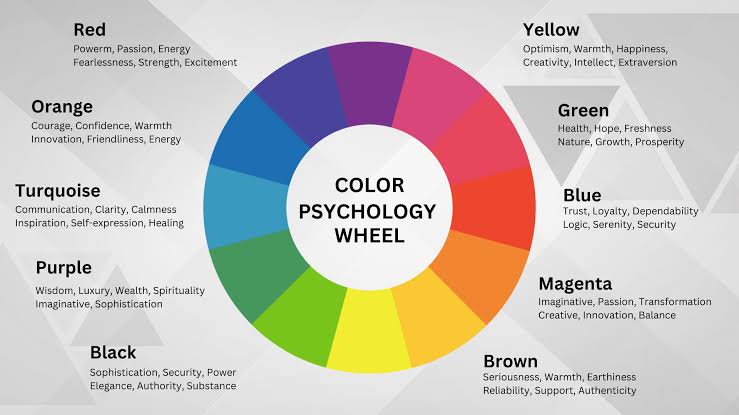
Colors shape perception subconsciously. For example, blue signals trust, red energy, black sophistication. Strategic color choices reflect brand positioning and audience expectations. Consistency across platforms strengthens recognition. Even slight shade changes can weaken identity without clear guidelines.
2. Typography as Brand Personality
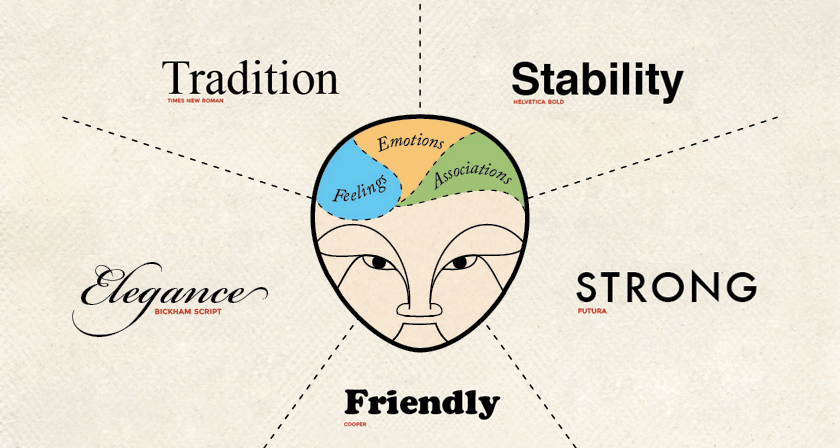
Typography defines brand tone. For instance, serif feels traditional, sans-serif modern, script elegant or creative. Font choice shapes how messages are perceived, and consistent typography across platforms builds cohesion. This strong system boosts professionalism and memorability.
3. Logo Design and Symbolism
Logos act as compact brand signatures. Effective logos are simple, scalable, and adaptable for digital and print use. This is a sign that simplicity improves recognition and recall.
4. Layout and Visual Hierarchy
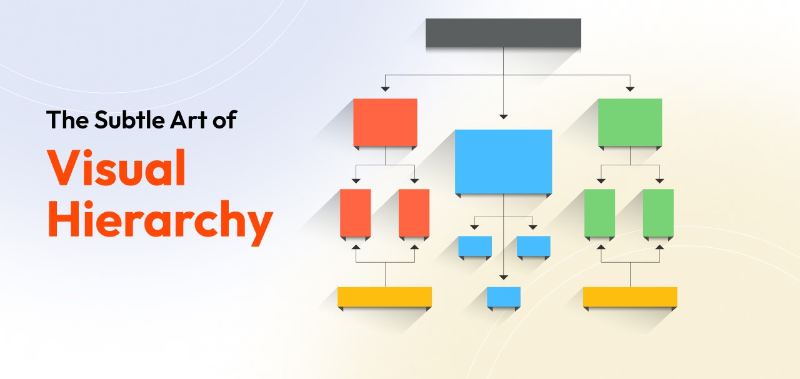
Layout guides how information is processed. Clear hierarchy directs attention and improves readability. Spacing, alignment, and contrast enhance user experience. With strong structure, professionalism and communication clarity can be achieved.
5 Global Brands That Successfully Achieve This Goal
To better understand graphic design branding examples, consider the following brands that consistently demonstrate strong differentiation, trust, and memorability.
1. Apple
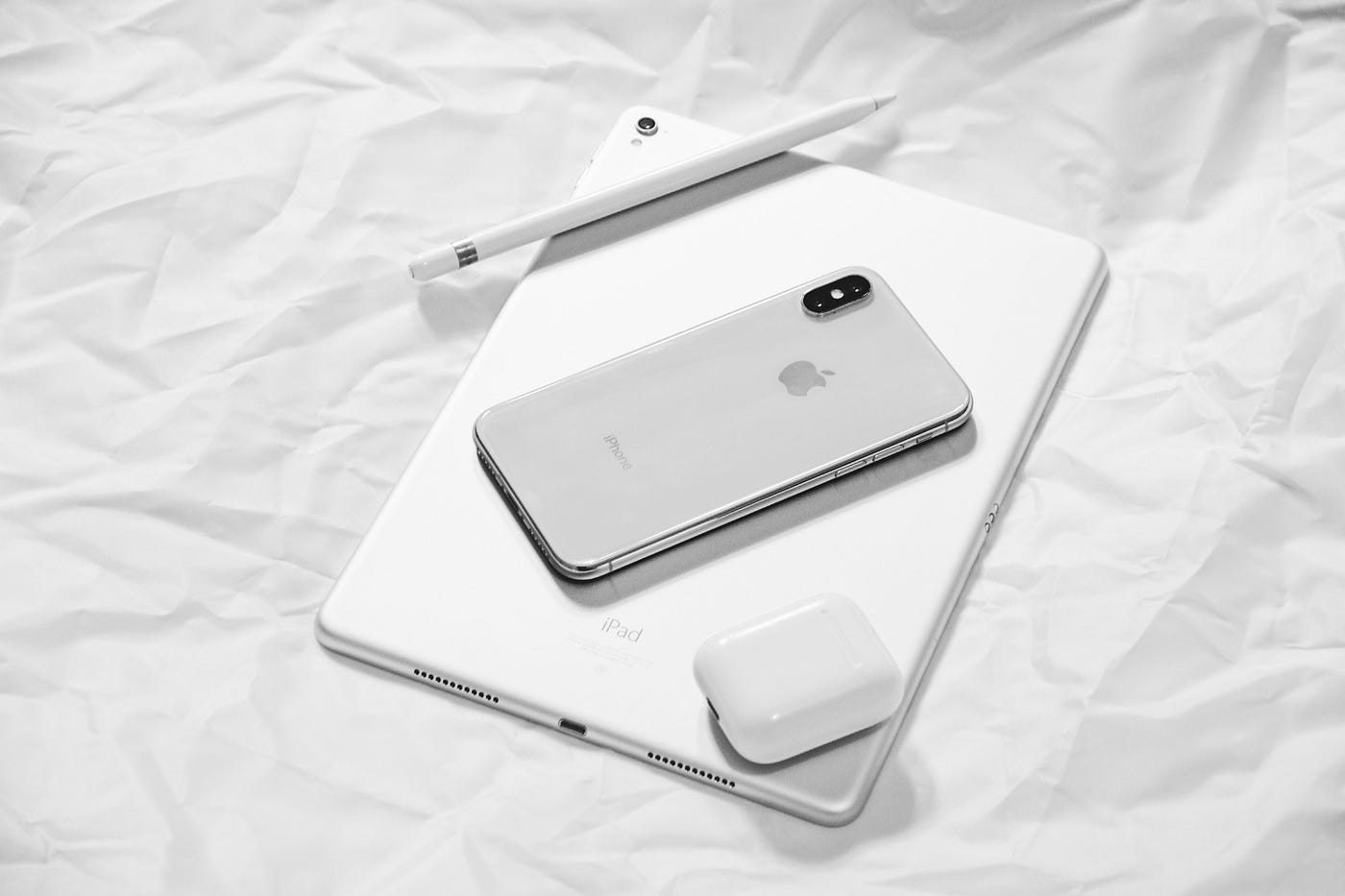
Apple’s minimalist design language reflects innovation and premium quality. Its consistent typography and product aesthetics reinforce a clean, sophisticated identity.
2. Nike
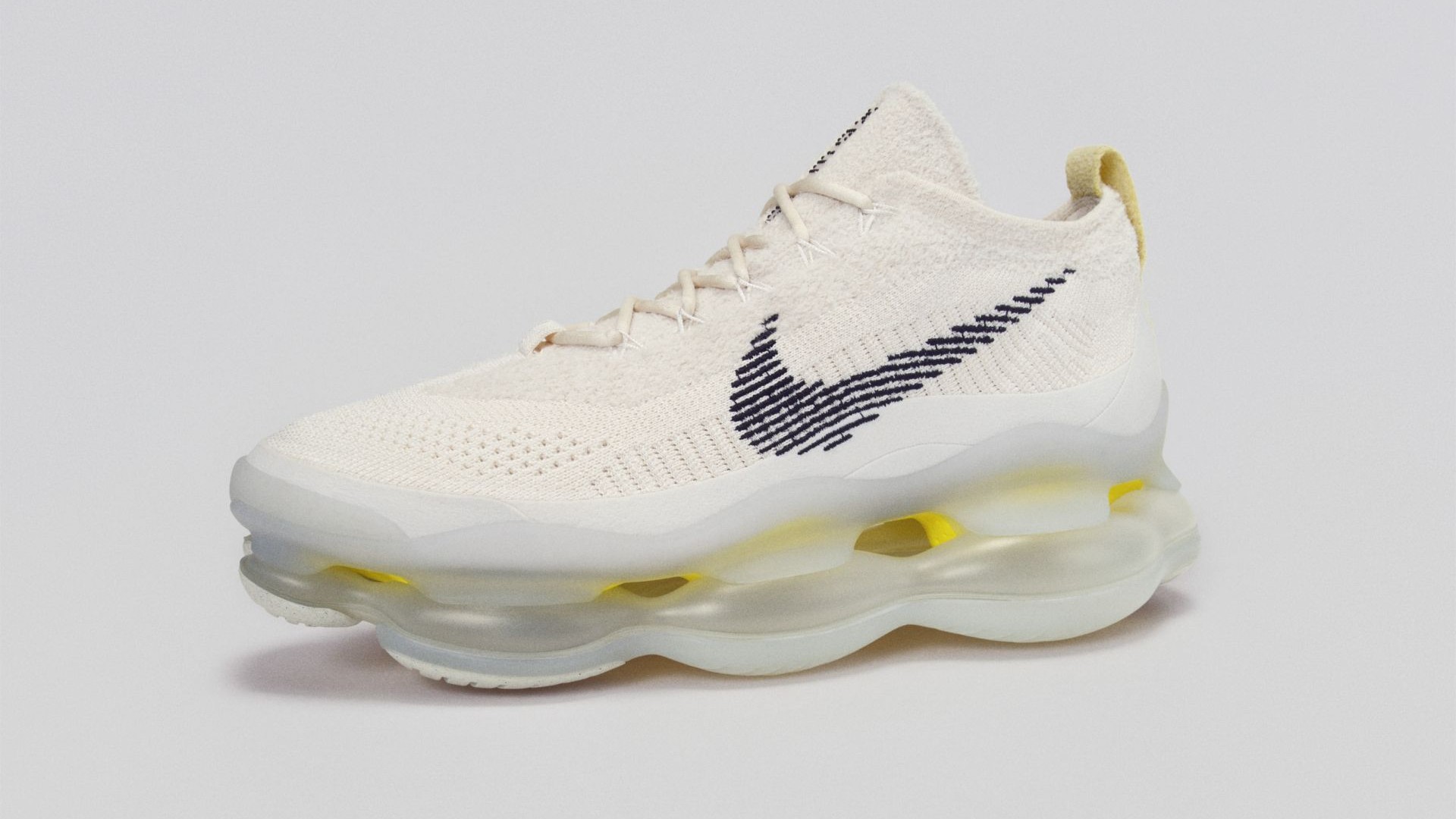
Nike uses bold visuals and dynamic layouts to communicate energy and movement. The iconic Swoosh ensures immediate recognition.
3. Coca-Cola
Coca-Cola’s timeless script typography and consistent red color palette create multi-generational brand recall.
4. McDonald’s

The Golden Arches and red-yellow system provide universal consistency and instant identification worldwide.
5. Google

Google maintains a clean, accessible identity with adaptable yet consistent design principles across platforms.
Create a Visual Identity That Sells for You
In the end, understanding what is the primary goal of branding in graphic design means realizing that branding is about shaping perception, not just visuals. The true objective is to build a clear, consistent identity that audiences can instantly recognize and trust.
Typography is one of many factors that plays a strategic role in delivering that identity across every touchpoint. When chosen carefully, a typeface becomes the voice and personality of the brand itself.
To support that goal, brand identity fonts from SIXTYPE can help designers craft cohesive and scalable visual systems. High-quality fonts with refined kerning, multiple weights, and multilingual support ensure consistency across print and digital media. This precision strengthens brand positioning and maintains visual harmony.